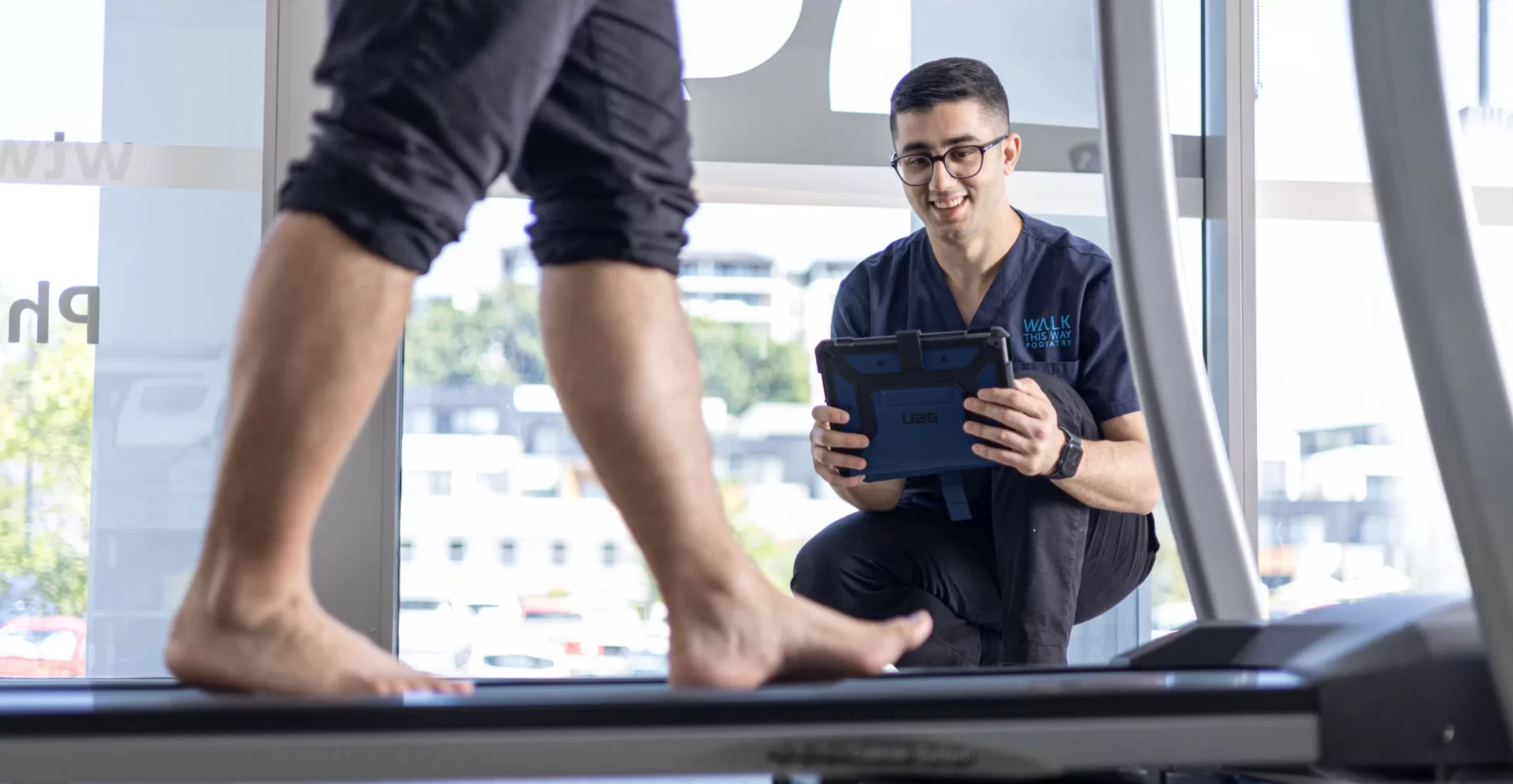
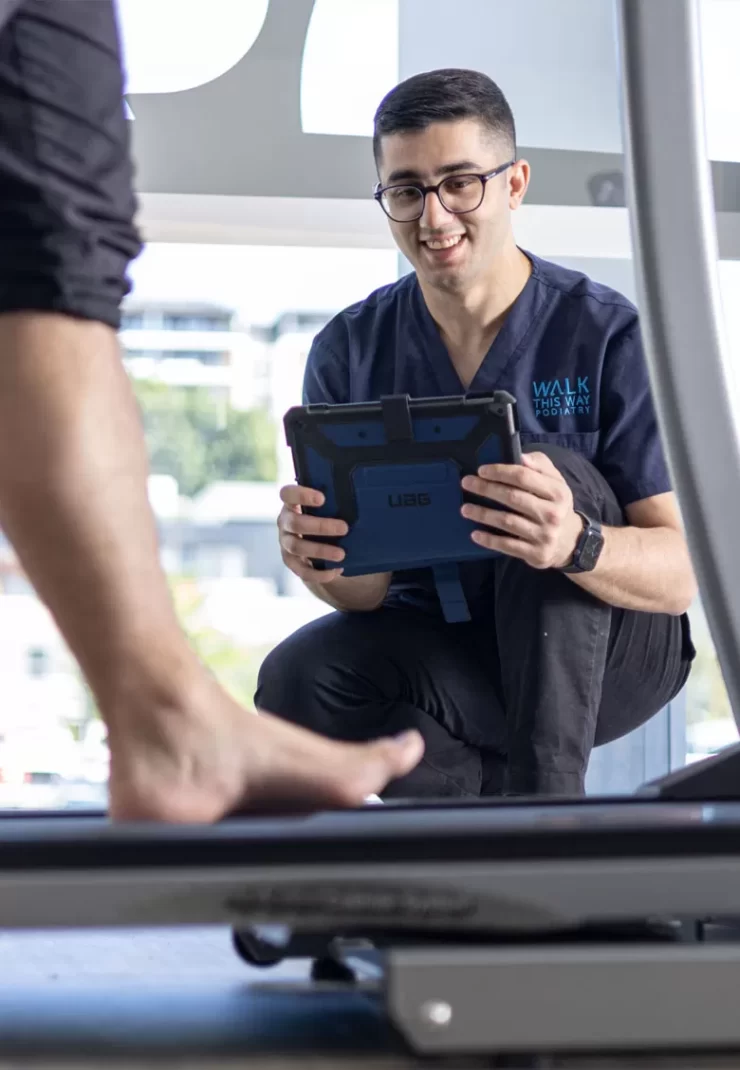
Foot, ankle, heel or shin pain can make it difficult to train, compete or stay active.
Walk This Way Podiatry supports patients from Ryde and nearby suburbs with sports injury podiatry through our nearby Putney and Haberfield clinics.
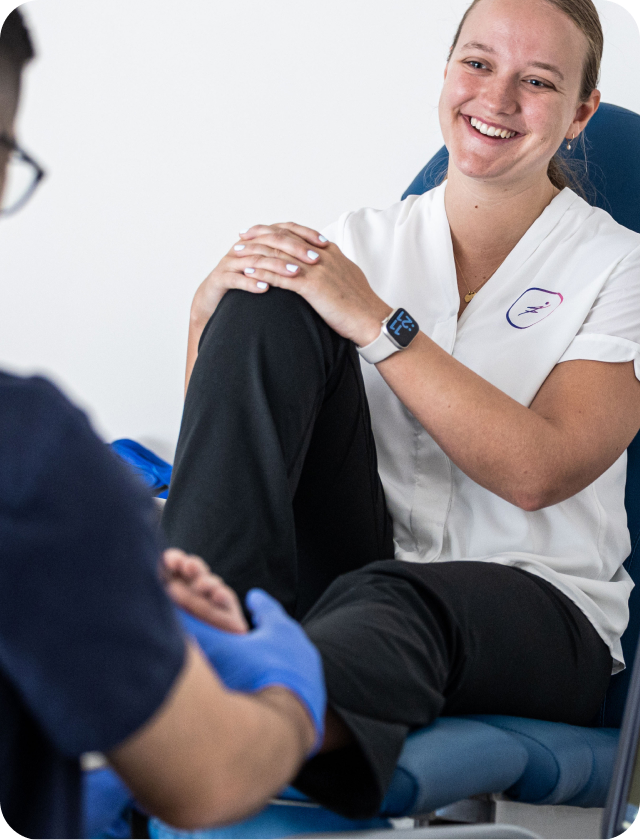
Our podiatrists assess the way your feet and lower limbs move, review your footwear and activity load, and create a treatment plan designed to support recovery, reduce pain and help you return to sport or exercise safely.
Sports injury podiatry for runners, athletes, active adults and children
Nearby Putney and Haberfield clinic options
Gait analysis and footwear advice available
Custom orthotics where clinically appropriate
Treatment plans tailored to your sport, symptoms and goals
Book at Your Nearest Walk This Way Podiatry Clinic
Putney Clinic
For many Ryde patients, our Putney clinic may be the most convenient option for sports injury podiatry, gait analysis, orthotic assessments and lower limb pain treatment.
Suite 7, 227 Morrison Road,
Putney NSW 2112
Haberfield Clinic
Our Haberfield clinic supports patients across the Inner West and surrounding Sydney suburbs with sports injury care, heel pain treatment, orthotics and children’s podiatry.
92 Ramsay Street,
Haberfield NSW 2045
Sports Podiatry for Ryde Patients
Ryde is home to many active families, weekend athletes, runners, walkers, students and gym-goers. With regular sport, training and daily movement, foot and lower limb pain can become frustrating quickly.
Sports injuries do not always happen from a single incident. Sometimes they build gradually from training changes, footwear, running technique, foot posture, muscle tightness, recovery habits or previous injuries.
Walk This Way Podiatry helps patients from Ryde understand what may be contributing to their symptoms. We assess your foot and lower limb function, listen to your activity goals, and recommend practical treatment options to help you move more comfortably.
Whether your pain started during sport, developed during running, or keeps returning after exercise, a podiatry assessment can help identify the next step.
Sports Injury Podiatry for Active Adults, Children and Athletes
We commonly help Ryde patients with sport and activity-related concerns, including:
runners with heel pain, Achilles pain, shin pain or forefoot pain
children and teenagers with sports-related foot, heel or ankle pain
football, soccer, netball, basketball and tennis players with lower limb injuries
gym-goers with recurring foot, ankle, calf or shin discomfort
walkers and active adults with pain during or after exercise
people returning to sport after a break or previous injury
patients with recurring injuries linked to footwear, training load or foot mechanics
Small issues can become more limiting when they are ignored. Early assessment may help reduce irritation, guide recovery and prevent the same problem from returning.
Sports Injuries We Commonly Treat
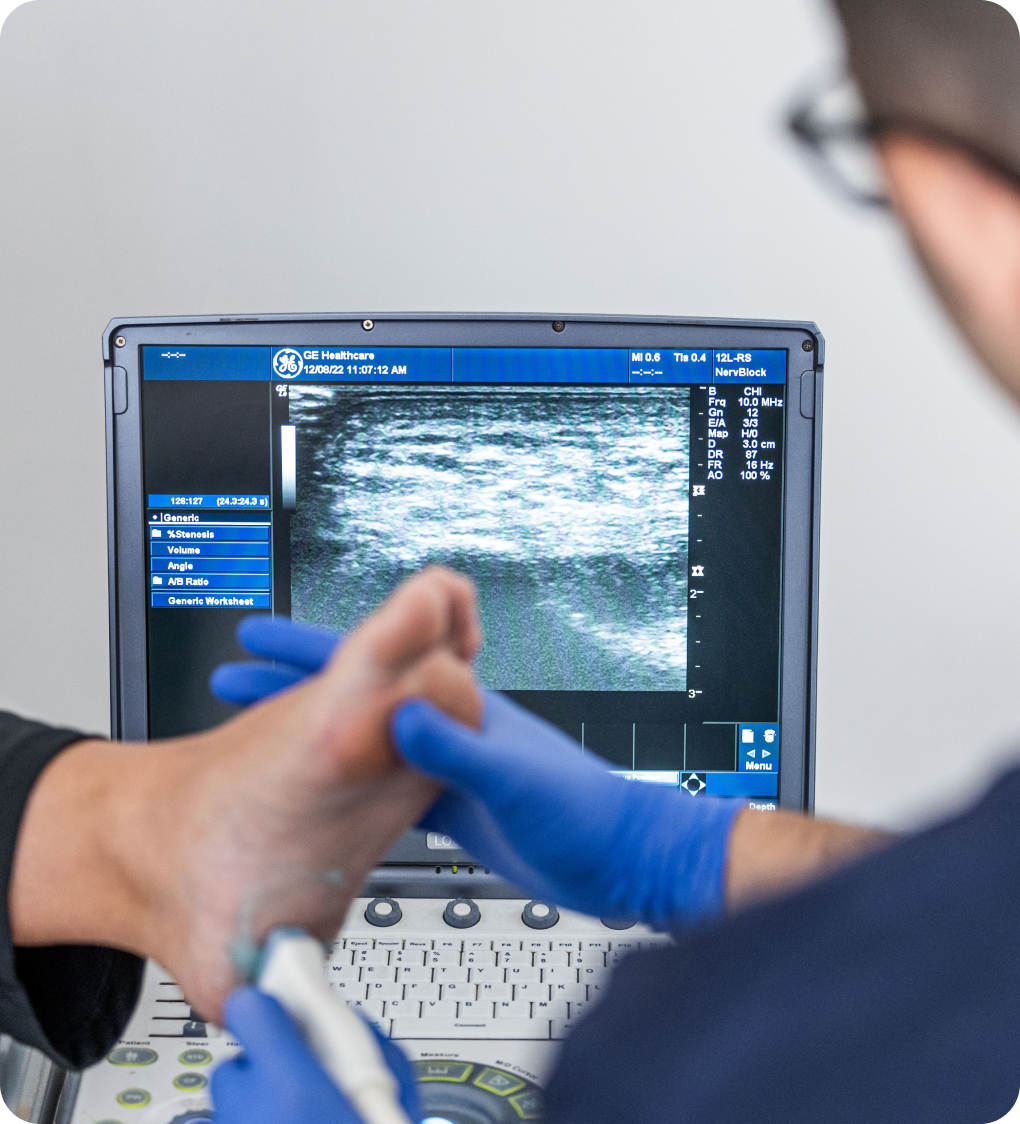
Our podiatrists assess and manage a wide range of foot, ankle and lower limb sports injuries.
Sudden Injuries and Recurring Sports Pain
Sports injuries usually fall into two broad categories: acute injuries and chronic or overuse injuries.
Acute Sports Injuries
Acute injuries happen suddenly. These may occur during a game, training session, run, gym workout or school sport.
Examples may include:
- ankle sprains
- impact injuries
- sudden foot pain
- bruising or swelling
- pain after landing awkwardly
- pain after twisting or changing direction quickly
Chronic or Overuse Injuries
Chronic injuries often build gradually. They may start as mild discomfort and become more noticeable with repeated sport or activity.
Common contributing factors may include:
- sudden increases in training
- inadequate recovery
- footwear that does not suit your activity
- changes in running surface
- foot posture or movement patterns
- calf tightness or weakness
- previous injury that has not fully resolved
Recurring pain is often a sign that the underlying cause needs to be identified, not just rested.
How Our Podiatrists Assess Sports Injuries
A sports injury assessment is designed to understand both the symptoms and the factors contributing to them.
Injury History and Activity Review
We discuss when the pain started, what activities aggravate it, your sport or training routine, footwear, previous injuries and recovery goals.
Foot and Lower Limb Assessment
Your podiatrist may assess joint movement, muscle strength, flexibility, foot posture, balance, pressure areas and painful structures.
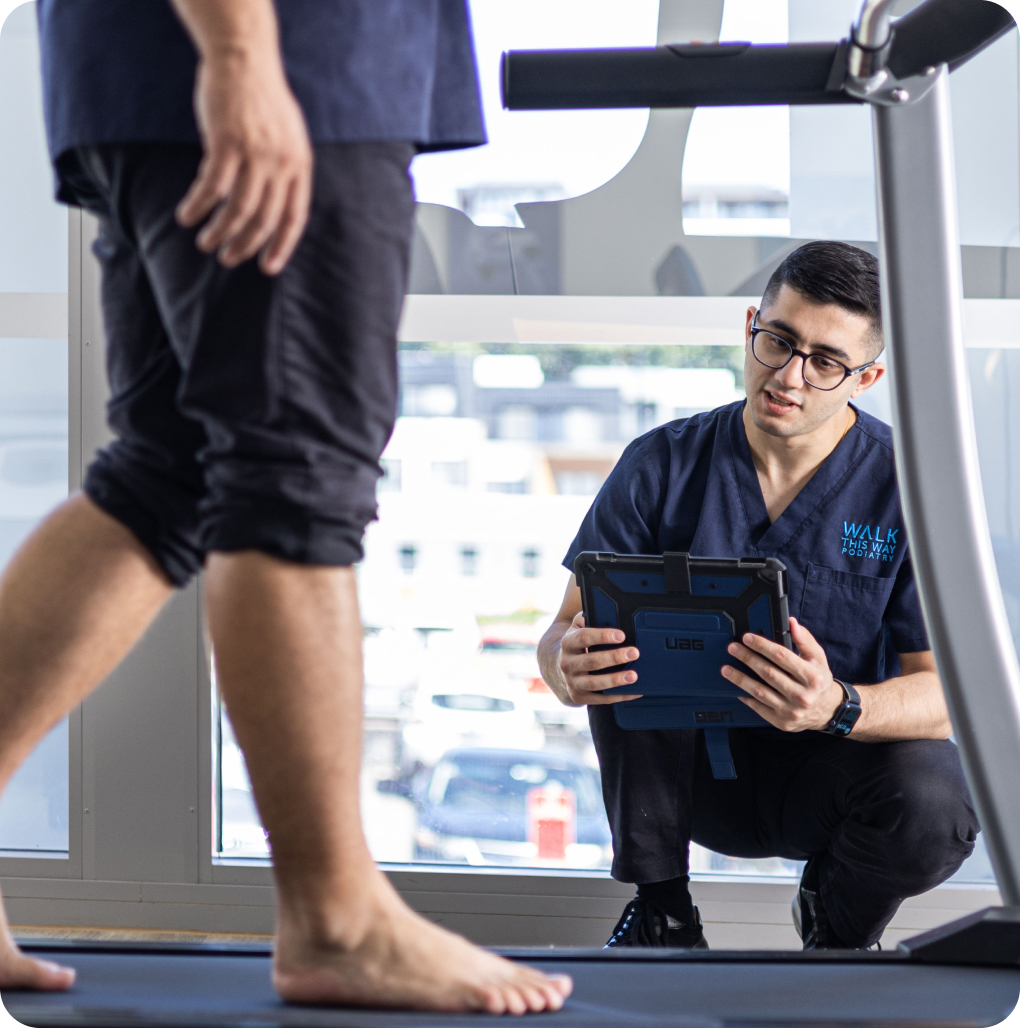
Gait and Movement Review
Where appropriate, we may assess how you walk or run to identify movement patterns that could be contributing to your symptoms.
Footwear Assessment
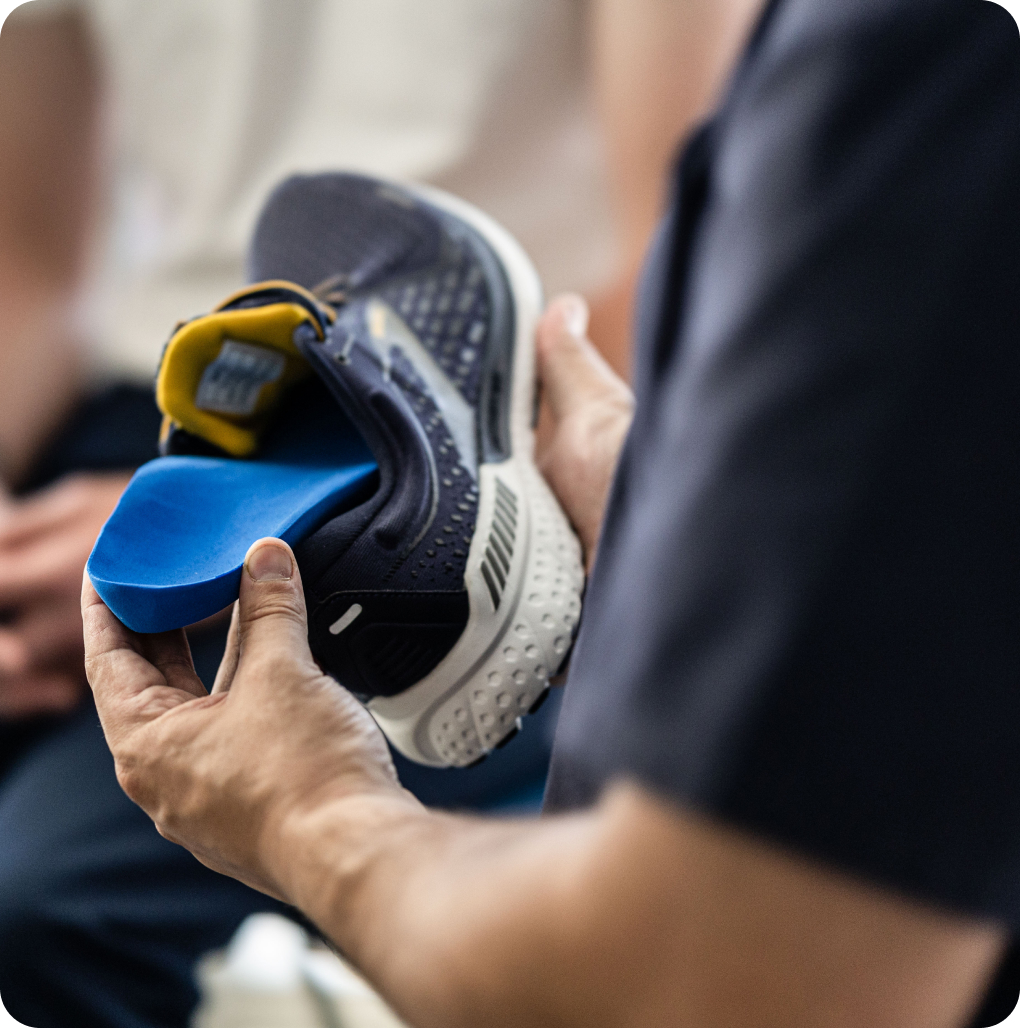
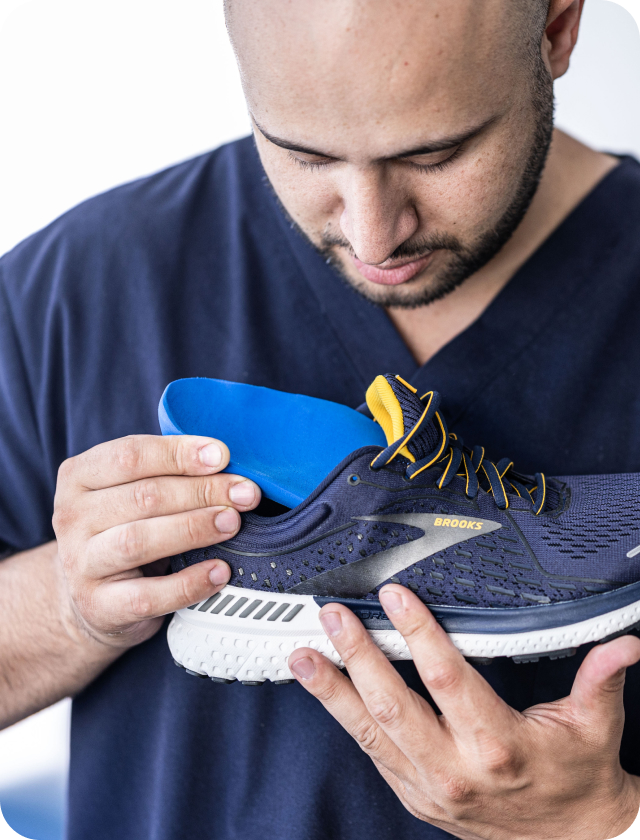
Bring your sports shoes and everyday shoes where possible. Footwear can give useful clues about load, support, wear patterns and suitability for your activity.
Treatment Planning
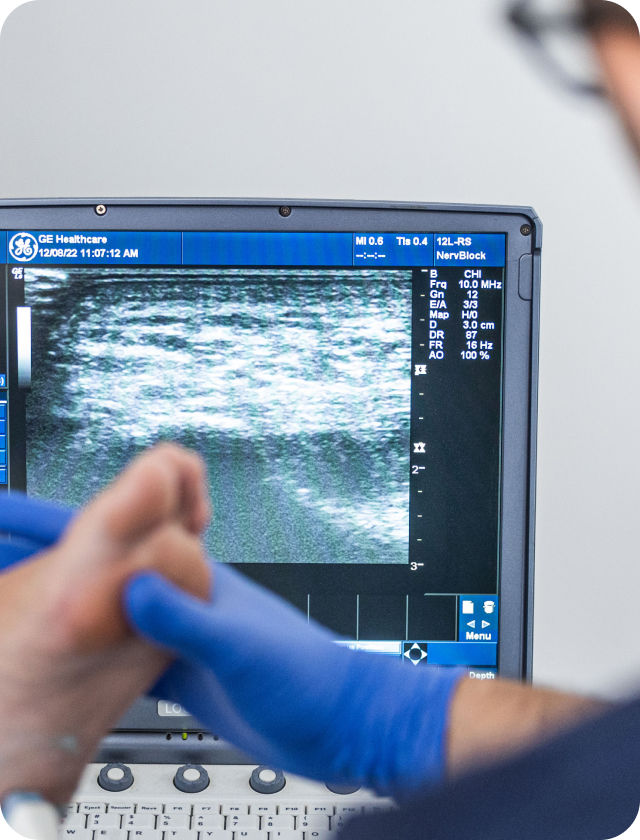
Your treatment plan may include footwear advice, load modification, taping, strengthening guidance, orthotics, shockwave therapy, laser therapy or referral for imaging if required.
Recovery and Return-to-Sport Guidance
We help you understand what activities to reduce, what may be safe to continue, and how to return to sport or exercise progressively.
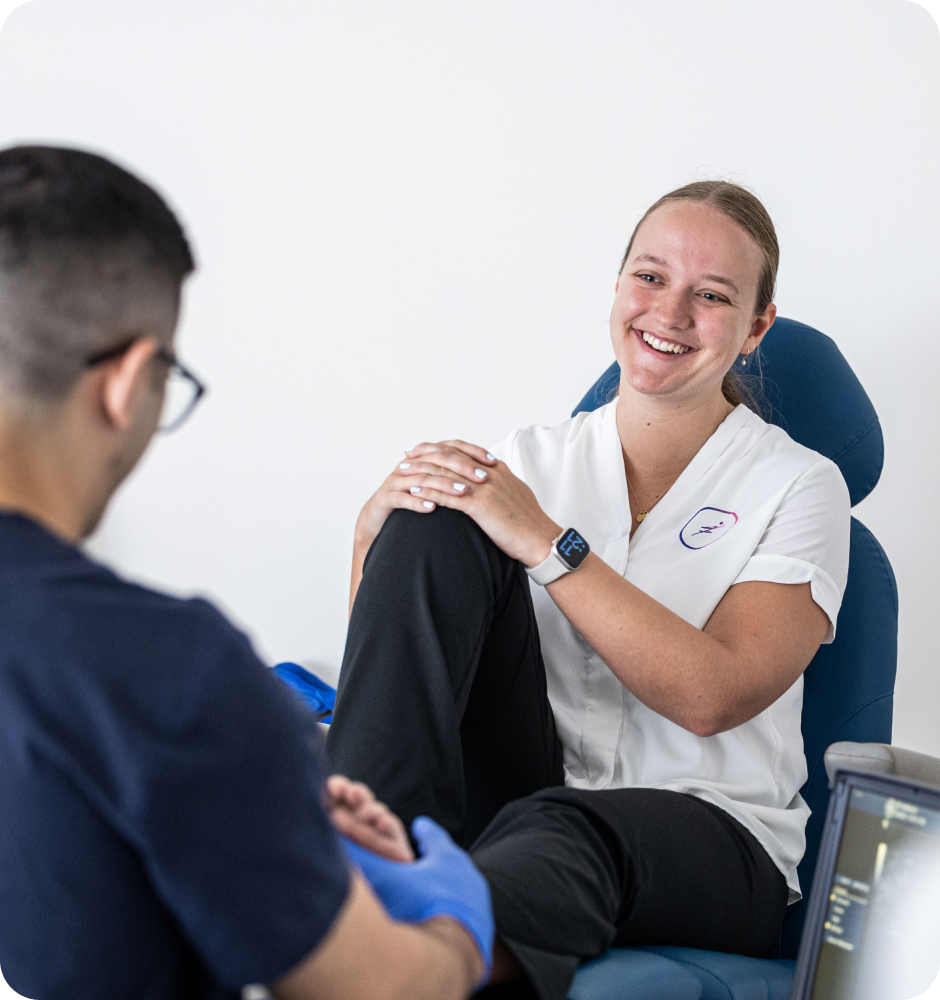
Sports Injury Treatment Options
Treatment depends on your injury, activity level, symptoms and goals.
Why Ryde Patients Choose Walk This Way Podiatry
Sports injuries can be frustrating when they interrupt your routine. Our goal is to help you understand the cause of your pain and provide clear treatment options.
Nearby Clinic Access
Ryde patients can access Walk This Way Podiatry through our nearby Putney and Haberfield clinics.
Personalised Care
We do not use a one-size-fits-all approach. Your plan is based on your sport, symptoms, footwear, movement patterns and goals.
Support for Adults and Children
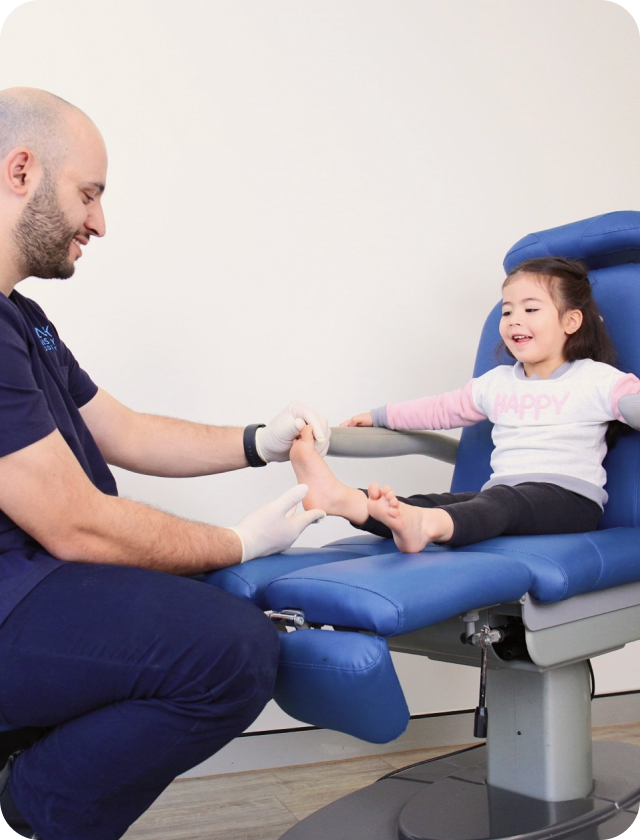
We assess sports injuries in adults, children and teenagers, including school sport, running, team sports and general activity-related pain.
Gait Analysis and Orthotics
We can assess movement patterns and provide custom orthotics where appropriate.
Practical Advice
We explain your injury in plain language and provide practical steps to support recovery.
Focus on Recurrence Prevention
Where possible, we look at contributing factors such as load, footwear, strength, mobility and biomechanics to help reduce the chance of the same issue returning.
Sports Injury Podiatry Near Ryde and Surrounding Areas
Walk This Way Podiatry supports patients from Ryde and nearby suburbs through our Putney and Haberfield clinics.
Nearby areas include:
Putney
Gladesville
Meadowbank
West Ryde
North Ryde
East Ryde
Hunters Hill
Top Ryde
Tennyson Point
Denistone
For many Ryde patients, our Putney clinic may be a convenient option for sports injury podiatry, gait analysis, orthotics and lower limb pain treatment.
Related Podiatry Services
Frequently Asked Questions
Do you have a podiatry clinic in Ryde?
Walk This Way Podiatry supports patients from Ryde through our nearby Putney and Haberfield clinics. For many Ryde patients, the Putney clinic may be a convenient option.
Which Walk This Way Podiatry clinic is closest to Ryde?
Our Putney clinic may be the most convenient option for many Ryde patients. We also offer appointments at our Haberfield clinic.
Can a podiatrist help with running injuries?
Yes. A podiatrist can assess running-related foot, ankle, shin, calf and heel pain. Assessment may include footwear review, gait analysis, activity load review and lower limb assessment.
What sports injuries can you help assess?
We commonly assess heel pain, Achilles pain, ankle sprains, shin pain, forefoot pain, stress-related injuries, blisters, nail trauma and children’s sports-related foot pain.
Do I need a referral for sports injury podiatry?
In most cases, you do not need a referral to book a podiatry appointment. If you are using a specific referral pathway, care plan or insurance arrangement, check the requirements before booking.
Should I bring my sports shoes to the appointment?
Yes. Bring your current sports shoes, school shoes, work shoes or everyday shoes where relevant. Footwear can help your podiatrist understand wear patterns, support and activity demands.
Can orthotics help with sports injuries?
Orthotics may help where foot posture, pressure distribution or movement patterns are contributing to pain. Your podiatrist will assess whether orthotics are suitable for your condition.
Do you treat children with sports-related foot pain?
Yes. We assess children and teenagers with foot, heel, ankle and lower limb pain related to sport, growth and activity.
Can I keep training with a sports injury?
This depends on your injury and symptoms. Some people may need rest or reduced activity, while others may be able to continue modified training. Your podiatrist can provide guidance after assessment.
How long does recovery usually take?
Recovery time varies depending on the injury, how long symptoms have been present, activity levels and treatment needs. Your podiatrist can provide more specific guidance after assessing your condition.
Book Sports Injury Podiatry Near Ryde
If foot, ankle, heel, shin or lower limb pain is affecting your sport, training or daily activity, book an appointment with Walk This Way Podiatry.
We support patients from Ryde and nearby areas through our Putney and Haberfield clinics.


What people are saying about us…
Hundreds of patients in the Inner West and Sydney North have trusted us to treat their foot problems. We take great pride in our reputation and the reviews our patients leave us are testimony to that.
See what our patients say about their results on Google and Facebook, then book your own Biomechanical Assessment to experience the difference.